
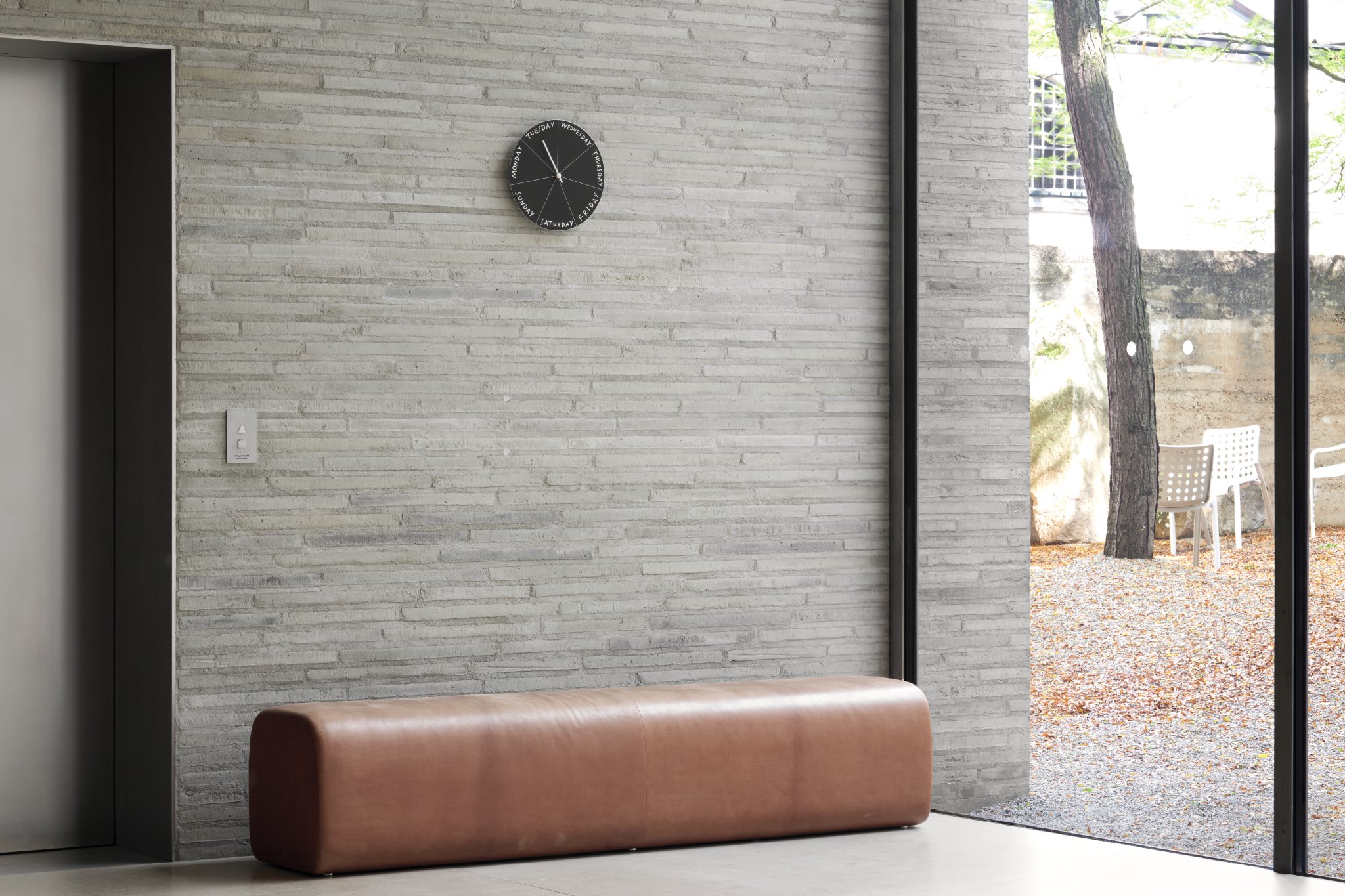
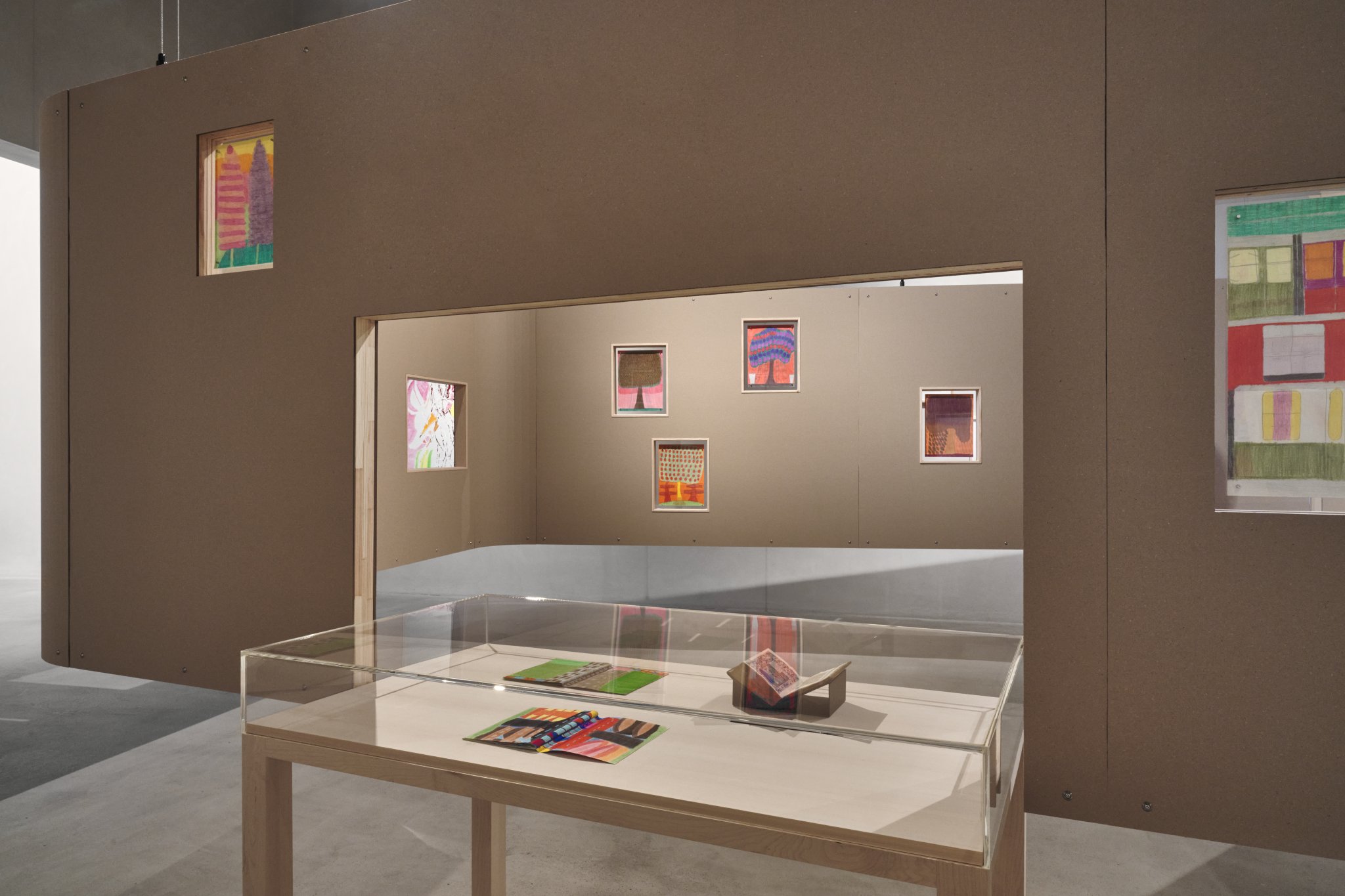
»Have you ever fallen in love with a clock?«
It might be that you wake up one day and can’t find the energy to get out of bed. Perhaps you »only« break your right arm, forcing you to learn to use your left hand. Or you might fall in love. Everyday life fades in significance, while your gaze softens and familiar places reveal themselves to you in a new light. These thought experiments demonstrate that we often only start to think about norms and normality when they no longer apply. The norms addressed in our exhibition are created by people – they are collective agreements. Formal norms are encoded in laws or regulations and in the best-case scenario are democratically negotiated and communicated. Social norms differ in that they arise from unwritten conventions governing human coexistence. They are formed from habits, traditions and social structures and are passed on (e.g. through upbringing and later at school). They are kept alive through their expression in everyday actions. And yet they are in a constant state of flux. – Norms do have positive aspects: they can provide us with a sense of security and orientation. For many people, norms remain invisible – they live their lives embedded within a normative structure without ever knowingly coming into contact with them. Others, however, are confronted with norms on a daily basis; ensnared in a process of constant adjustment. It is »the exception that proves the rule«, as the saying goes. Norms categories can be found in: normal or with a disability, healthy and sick, man and woman, human and non-human. They structure overarching frameworks just as much as the small details of our everyday lives: the design and positioning of a doorknob for example. Or time – this is probably one of the norms that influences us most. It divides our life into past, present and future; into seconds, minutes, hours and days. Many of us feel this in our daily lives – always too late, constantly trying to catch up. Although we now know that the Anthropocene era (in which humankind is altering the climate, the oceans, the soil and wildlife more drastically than any other natural force), will not last for long, we still yearn for progress, growth and power. This sense of time is deeply engrained in our minds and our bodies.
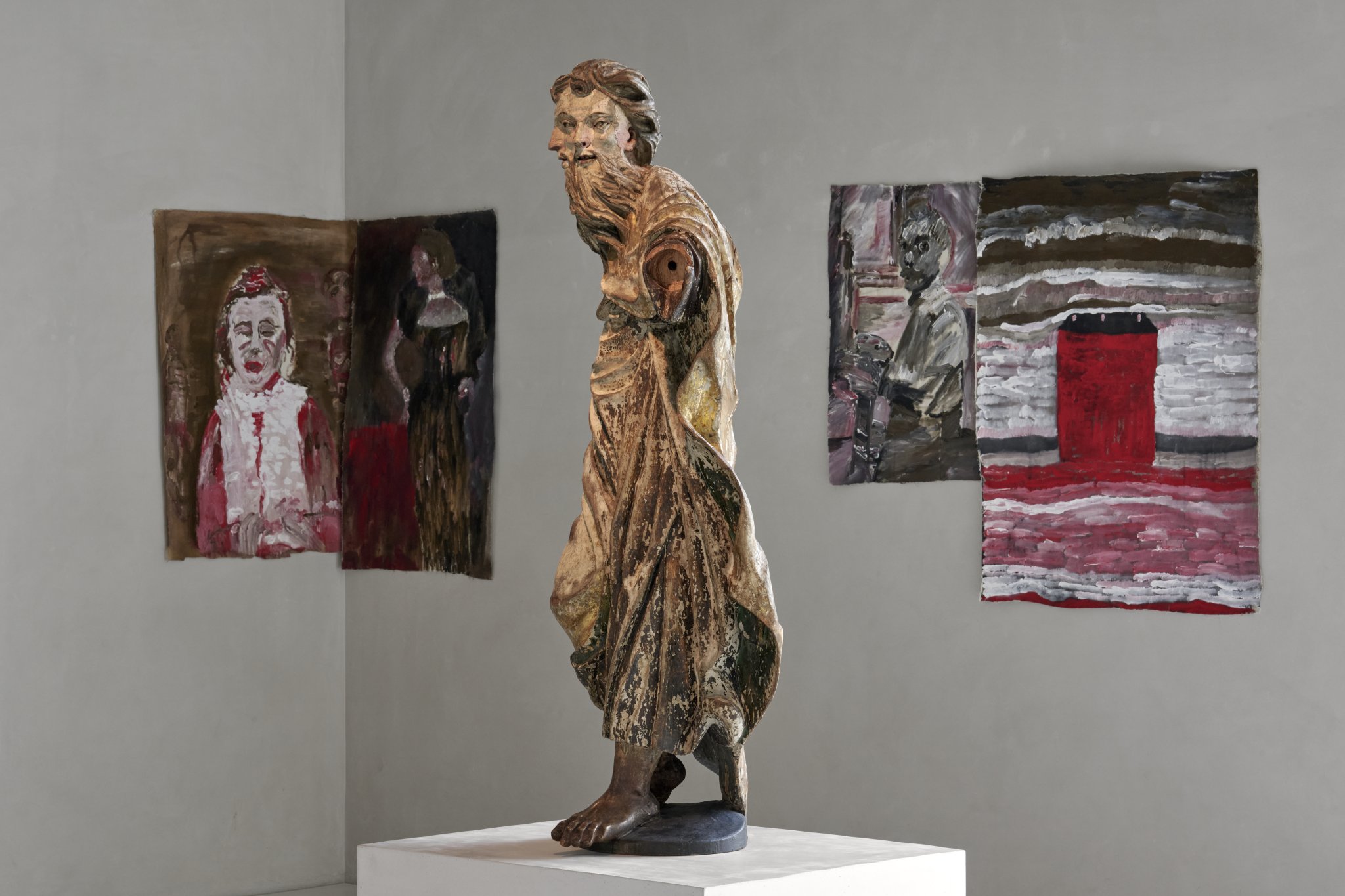
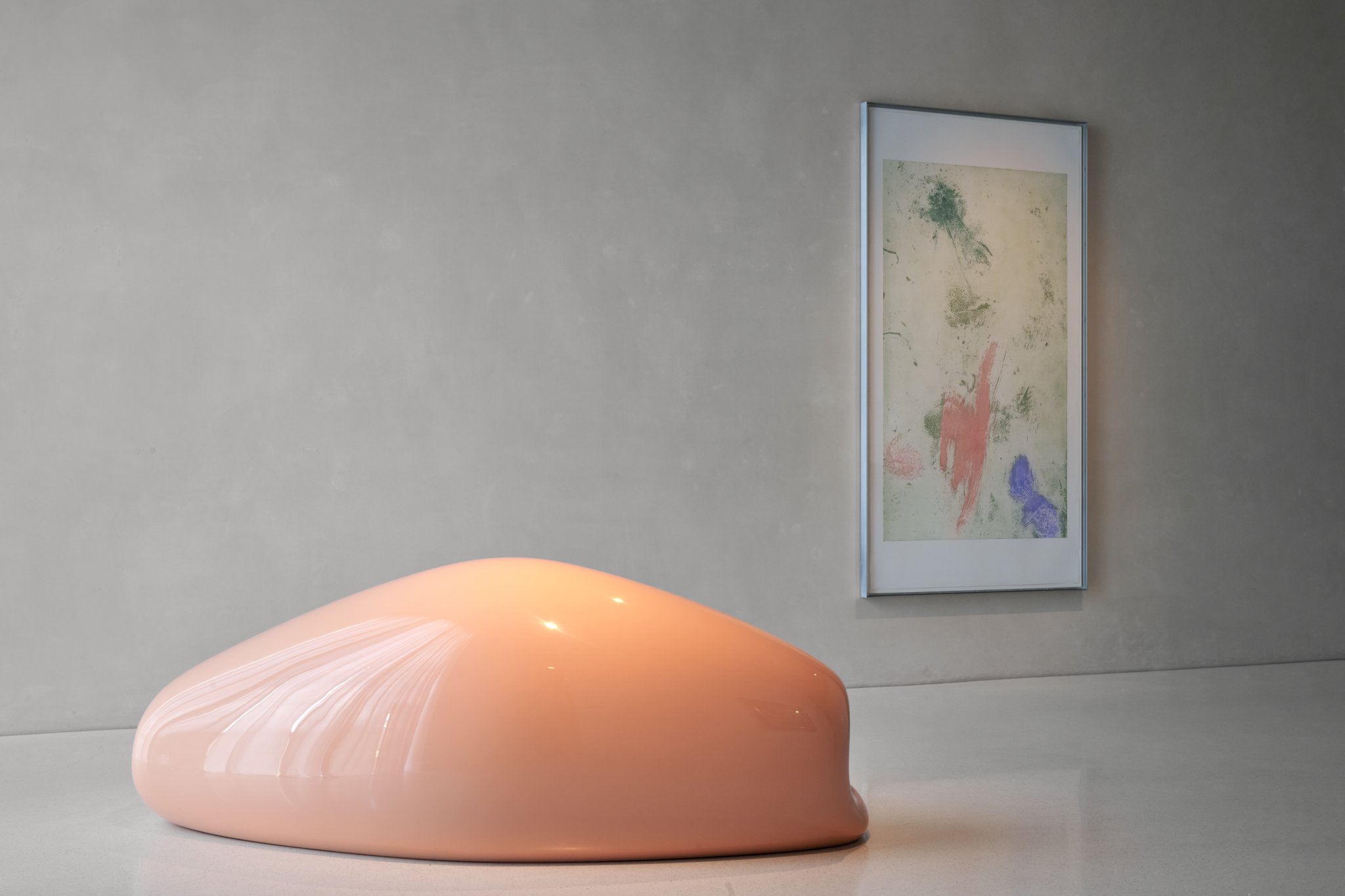
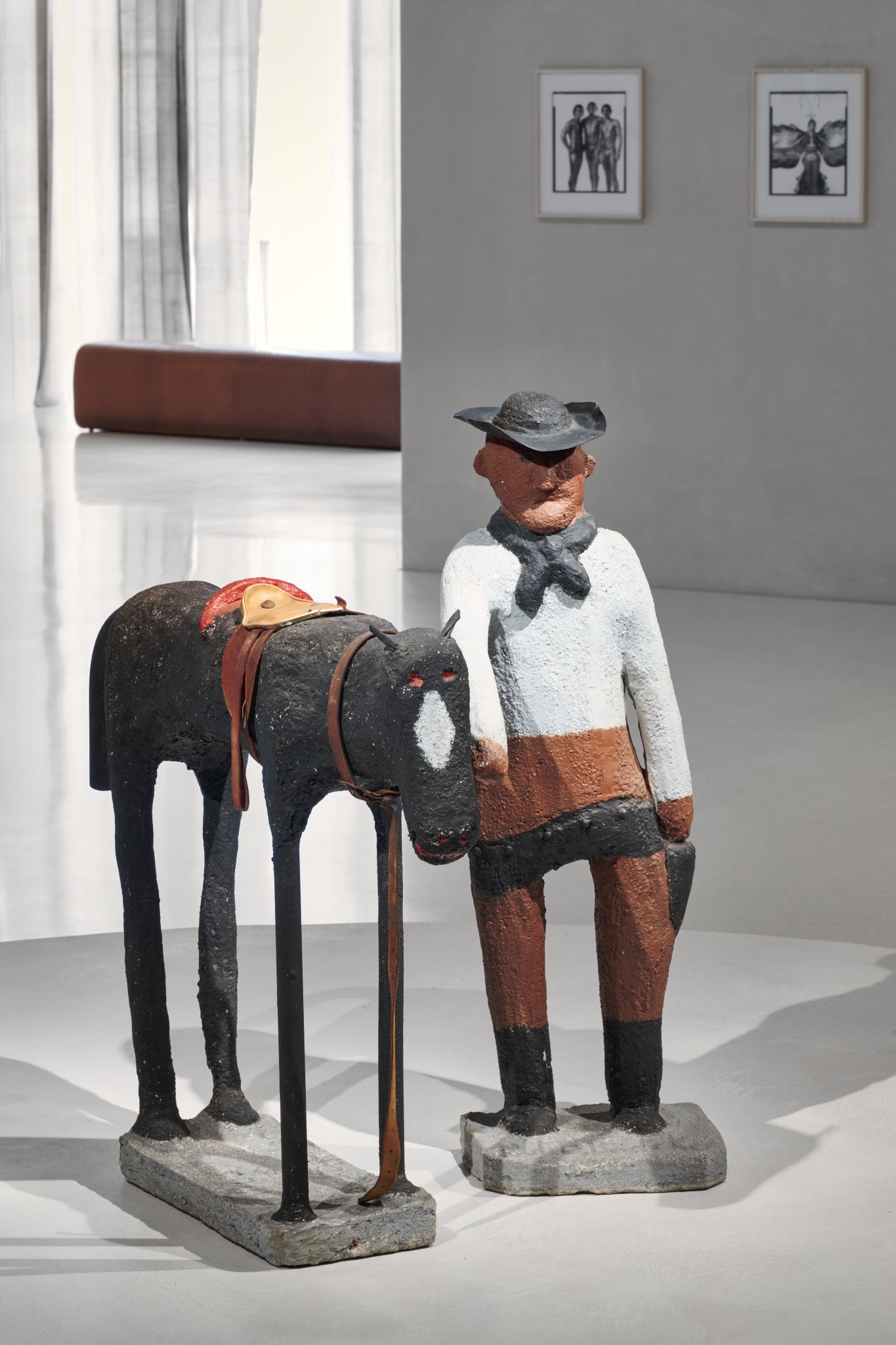
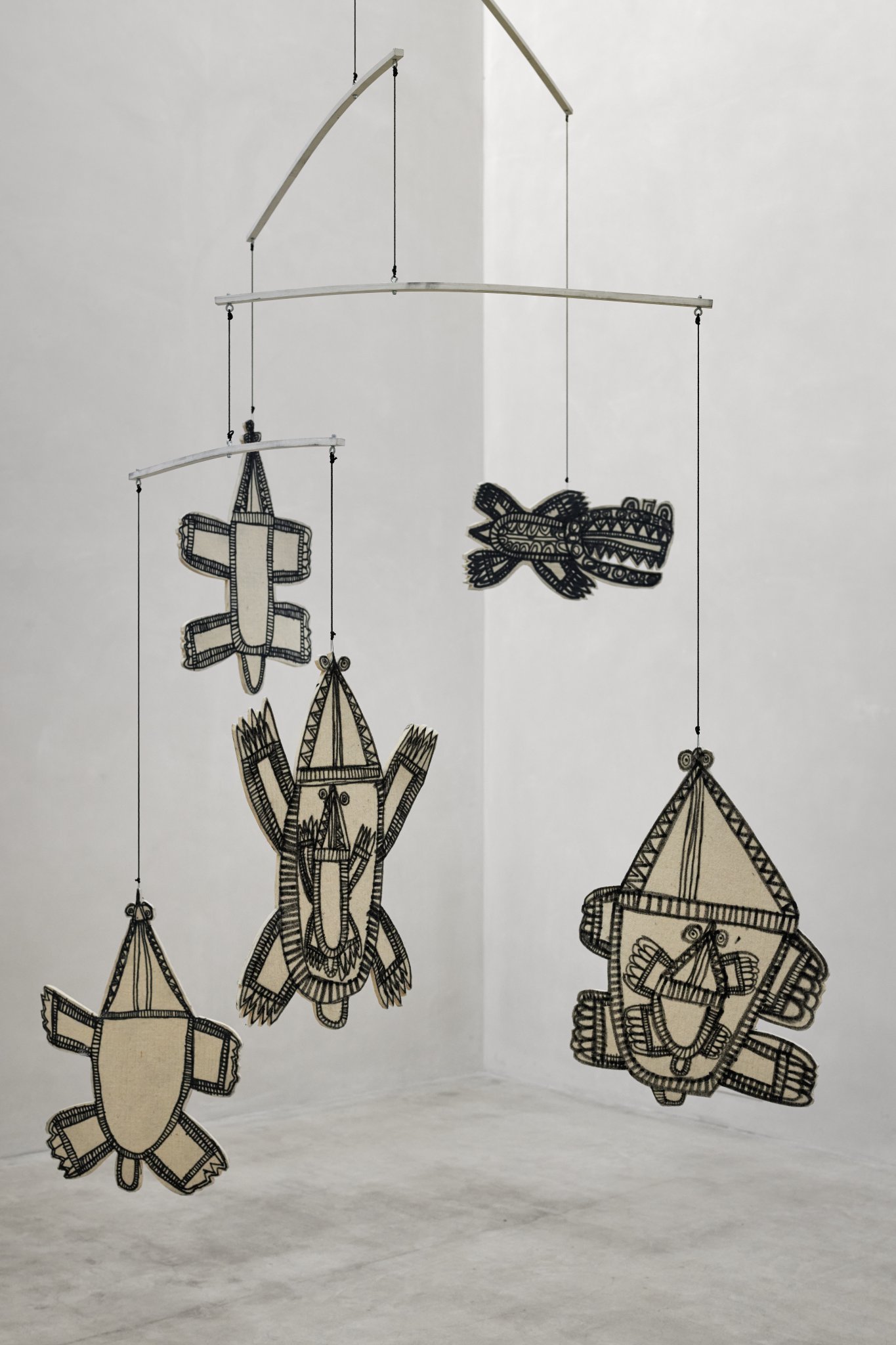
The artists in this exhibition probe how norms arise and function, critically examining and questioning them. Above all, however, they work on ideas that throw our thinking and behaviour off the usual tracks and can be understood as deviations or as alternatives – just like Finnegan Shannon’s clock, to which we owe our title.
Exhibition opening (admission free):
19 September and 20 September, 12 noon – 5 pm
With works by (among others) Josef Albers, Giampaolo Babetto, Nicole Baginski, Merlin Bauer, Victoria Bell, Joseph Beuys, Anna & Bernhard Blume, Erich Bödeker, Rudolf Bott, David Bowie, Anna Bromley, Andrea Büttner, Felix Droese, Albrecht Dürer, Michael Fesca, Tanja Geiss, Hendrick Goltzius, Patrick Henkel, Heinrich Hoerle, On Kawara, Leonhard Kern, Sanghoon Kim, Jannis Kounellis, Susanne Kümpel, Konrad Kuyn, Bärbel Lange und Jan Liesegang von raumlaborberlin, Stefan Lochner, Andreas Maus, Duane Michals, Rune Mields, Michael Müller, Chris Newman, Peter Joseph Paffenholz, Joanna Piotrowska, Thomas Rentmeister, Anna Rossa, Walter Schels, Inge Schmidt, Karl Hugo Schmölz, Finnegan Shannon, Hermann Stenner, Martina Stoffel, Paul Thek, Manos Tsangaris, Rembrandt Harmensz Van Rijn, Phlorian Wagner, Andor Weininger, Philipp Wewerka, Stefan Wewerka, Gert H. Wollheim und René Zäch.